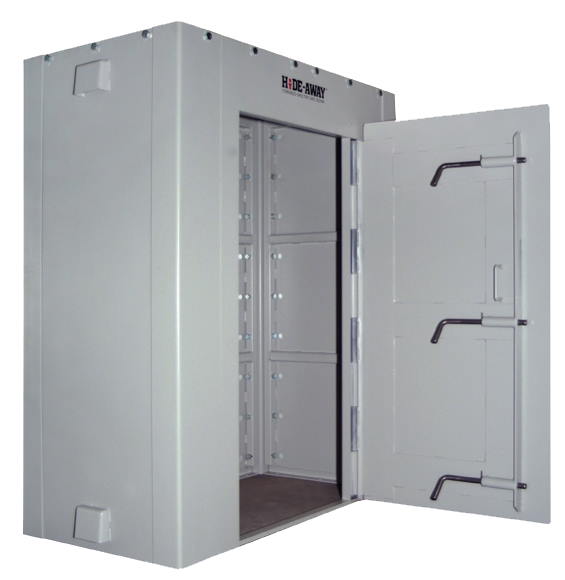
Yes—but only inside a properly engineered tornado shelter. Above-ground storm shelters that are ICC-500 certified, impact-tested, and securely anchored are specifically designed to withstand EF5-level forces. Without that level of protection, survival above ground in a direct EF5 strike is extremely unlikely.
Most People Get This Wrong About EF5 Tornado Survival
It’s not about above ground vs below ground. It’s about engineering. I’ve worked alongside meteorologists and reviewed tornado damage paths where entire neighborhoods were wiped clean—homes gone, vehicles thrown, debris scattered for miles. And yet, in those same paths, properly built storm shelters were still standing.
Survival in an EF5 tornado isn’t luck. It comes down to whether the structure protecting you was designed for the worst-case scenario.
What Is an EF5 Tornado Shelter?
There’s technically no official “EF5-rated shelter.” But when people search for an EF5 tornado shelter, what they really mean is:
A shelter built to withstand the highest possible wind and debris forces. In the United States, that standard is:
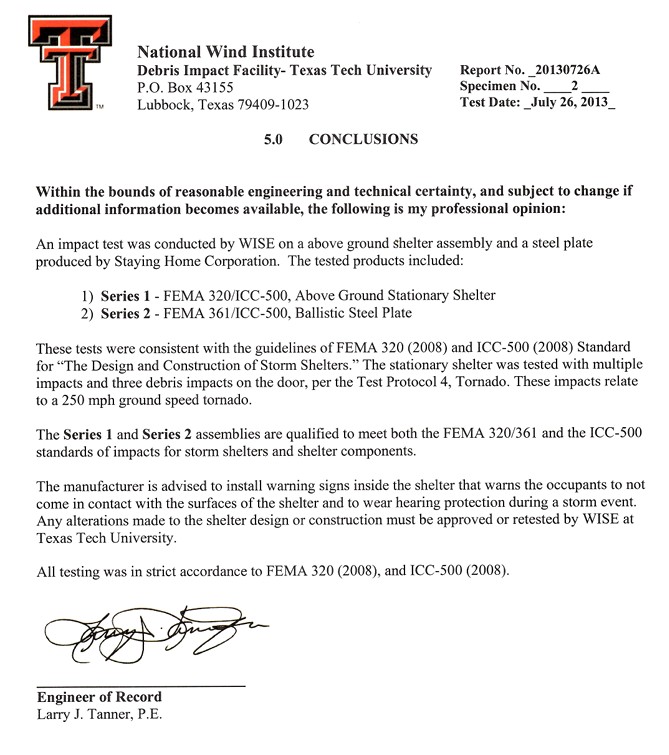
ICC-500 (International Code Council Standard for Storm Shelters)
Shelters built to this standard are tested to handle:
Wind speeds up to 250 mph
A 15-pound 2×4 traveling at 100 mph
Extreme uplift and anchoring forces
Repeated high-impact strikes
If a shelter meets ICC-500, it is engineered for EF4–EF5 tornado conditions.
The Engineering Standards That Matter Most
ICC-500 Certification Is Non-Negotiable
The gold standard for tornado shelters in the U.S. is ICC‑500 compliance.
This standard requires shelters to withstand:
250 mph wind loads
15-pound 2×4 lumber missiles traveling at 100 mph
Repeated impacts at critical angles
Structural anchoring forces that exceed typical residential loads
If a shelter is not ICC-500 compliant, it is not designed for violent tornadoes, regardless of what the brochure says.
Debris Impact Is the Real Killer
In actual EF4–EF5 damage surveys, debris—not wind—causes most fatalities.
Above-ground shelters that survive are designed to:
Stop wood, steel, and concrete fragments
Prevent wall or roof penetration
Keep doors from deforming inward
This is why thin steel “safe rooms” without impact testing are dangerous. I’ve personally seen untested units collapse or shear at the seams in high-wind events well below EF5 strength.
Anchoring Determines Survival
An above-ground shelter is only as strong as what holds it down.
Proper anchoring requires:
A reinforced concrete slab
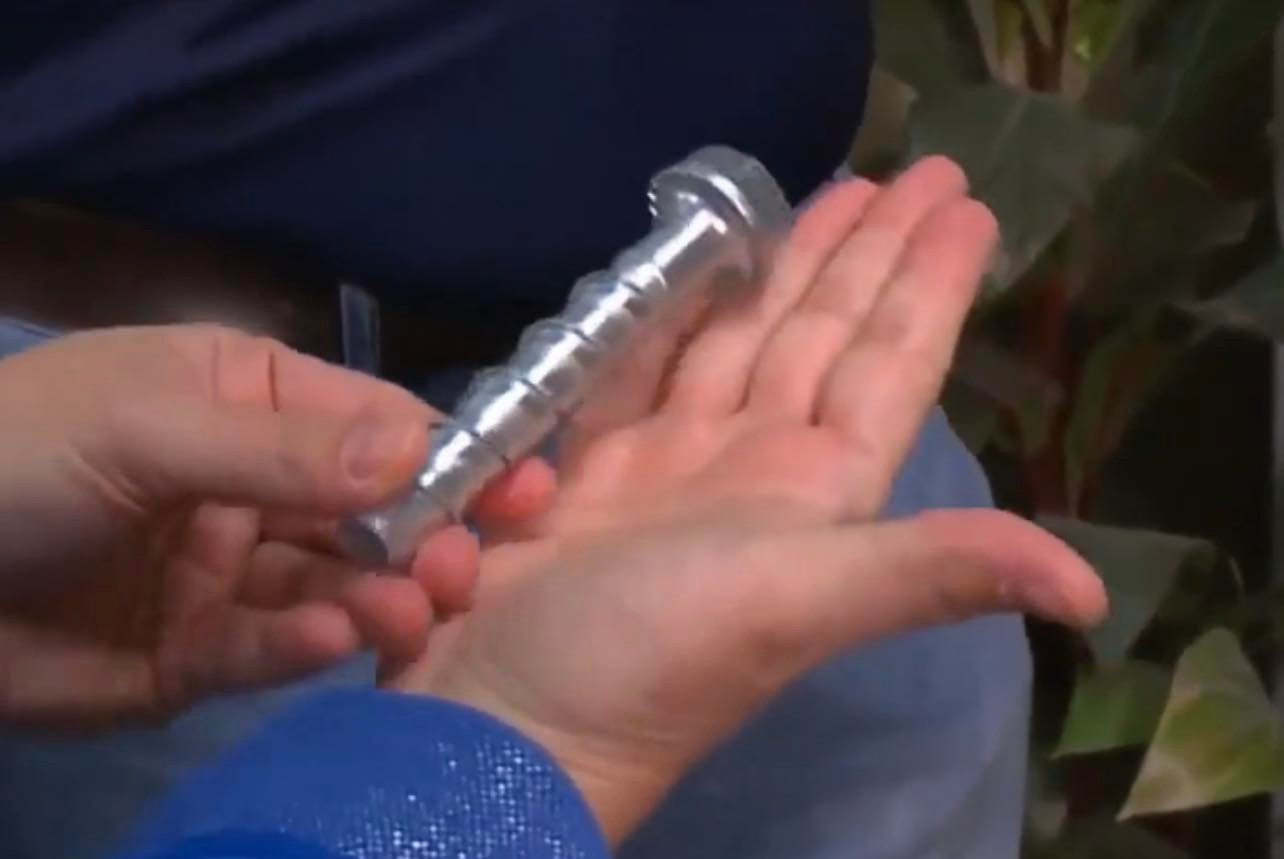
Anchors embedded to engineered depth
Load paths that transfer force into the slab—not just bolts into concrete
In post-tornado damage assessments, shelters that failed almost always failed at the connection to the foundation, not the shelter body itself.
Doors Are the Weakest Point
From an engineering perspective, the door is the hardest part to design correctly.
A survivable shelter door must:
Remain operable after impact
Use multi-point latching systems
Be tested with direct missile strikes
I’ve reviewed shelters that passed wall tests but failed door tests—those shelters would not protect occupants in a violent tornado.
How Safe Are Above-Ground Tornado Shelters?
Properly engineered above-ground shelters are extremely safe—even in violent tornadoes.
They are designed to:
Stop high-speed debris (the leading cause of fatalities)
Resist extreme wind pressure
Stay anchored during uplift forces
Maintain structural integrity even if surrounding buildings are destroyed
In fact, many modern above-ground shelters outperform:
“Below-ground is always safer”: Below-ground shelters reduce debris exposure but introduce flooding, access, and mobility risks. Safety depends on location, not elevation.
“Thicker steel means safer”: Thickness alone doesn’t matter. Design, welds, anchoring, and testing matter more.
“Any safe room is good enough”: Many “safe rooms” are only rated for lower wind speeds and are not tornado shelters.
Expert Tips Based on Real Experience
Ask for ICC-500 documentation, not verbal assurances
Verify the foundation requirements before purchase
Confirm the door has passed missile-impact testing
Avoid shelters that rely on surface-mounted anchors
Consider accessibility—many injuries occur while trying to reach a shelter too far away
One practical rule I share with buyers: If a manufacturer won’t explain how their shelter handles debris impact and uplift forces, walk away.
Frequently Asked Questions
Can any shelter truly be “EF5-proof”?
No structure is indestructible, but ICC-500-rated shelters are designed to withstand forces equivalent to the most violent tornadoes.
Are above-ground shelters safer than basements?
In many cases, yes—especially in flood-prone areas or homes without reinforced basements.
Can installation affect performance?
Absolutely. A perfect shelter installed incorrectly can fail.
Do tornado ratings matter for shelter design?
Not directly. Shelters are designed to wind and debris loads, not EF ratings, which are assigned after damage occurs.
Yes—above-ground storm shelters can survive an EF5 tornado, but only when they are engineered, tested, and installed to the highest standards.
The real question buyers should ask isn’t above or below ground—it’s this: Was this shelter designed for the worst tornadoes nature can produce?
When the answer is backed by engineering, testing, and real-world performance, above-ground shelters are not a compromise—they’re a proven life-saving solution.