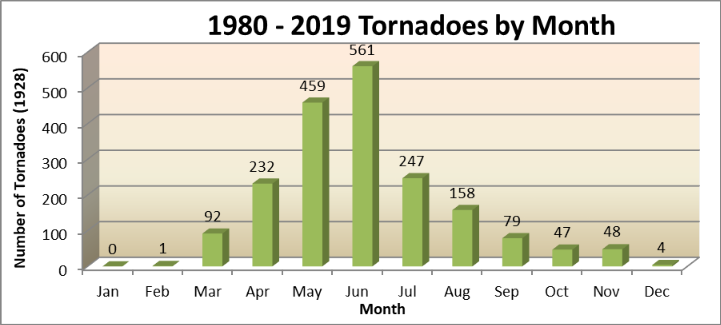
Tornado season in Iowa generally runs from late April through early July, with peak activity in May and June. That said, tornadoes can happen outside that window—including early spring and even late fall—when the right weather conditions line up. I’ve spent years forecasting severe weather in Iowa, tracking storms in the field, and helping families understand their real risk. What follows isn’t theory—it’s what actually happens here.
Why Iowa Has a Tornado Season at All
Iowa sits in a geographic “sweet spot” for tornadoes. Several key ingredients regularly come together here:
Warm, moist air moving north from the Gulf of America
Step-by-Step Breakdown: How Tornado Season Unfolds in Iowa
1. Early Spring (March–Early April): Low Frequency, High Surprise
Tornadoes are less common, but they do happen. These storms often move fast and form with less warning. In my experience, early-season tornadoes catch people off guard because they’re mentally still in “winter mode.”
May is historically the most active month. June often produces fewer tornadoes, but some of the strongest ones.
3. Mid-Summer (July–August): Sharp Drop-Off
The jet stream shifts north. Storms still happen, but tornado risk drops significantly. By late July, tornadoes are more uncommon in Iowa.
4. Fall & Winter: Rare, But Not Impossible
Every few years, Iowa sees late-season tornadoes—usually tied to strong cold fronts. They’re uncommon, but they reinforce an important truth: there is no such thing as a zero-risk month.
Why This Matters if You’re Afraid of Tornadoes
Most tornado injuries and fatalities happen because people:
Wait too long to seek shelter
Don’t have a safe place nearby
Assume “it won’t happen here”
I’ve seen tornado damage less than a mile from homes where people thought they were safe because “it’s never happened before.” Tornado season isn’t about panic—it’s about predictable risk.
Common Mistakes or Misconceptions
“Tornadoes only happen in May”: False. While May is the most active month overall, Iowa has documented tornadoes in every month of the year. In fact, the largest single-day tornado outbreak in Iowa history occurred on December 15, 2021, when 63 tornadoes were confirmed across the state—an unusual but real reminder that tornado risk in Iowa never truly drops to zero.
“If I don’t see it, I’m safe”: Many tornadoes are rain-wrapped or occur at night. Visibility is often poor.
“Sirens mean a tornado is coming for me”: Outdoor warning sirens warn outdoor populations. They are not precise and should never be your only alert method.
“My basement is enough for any storm”: Basements help—but not all basements are equal, and not everyone has one. Structural failure and debris are real risks.
Expert Tips Based on Real Experience
These are lessons learned from forecasting, storm tracking, and post-storm damage surveys:
Most Iowa tornadoes happen between 4 PM and 10 PM: That’s when people are cooking, driving, or asleep—not paying attention.
Strong tornadoes are rare—but not random: The same large-scale patterns repeat. Risk can often be identified days in advance.
Shelter access matters more than tornado strength:EF-scale ratings are determined after the fact. What matters during the storm is whether you can get underground or into a hardened space in seconds.
Fear usually comes from uncertainty: People who understand when tornadoes happen and where they’ll go tend to feel far more in control.
FAQ: Straight Answers to Common Questions
What month has the most tornadoes in Iowa? May, followed closely by June.
Can tornadoes happen at night in Iowa? Yes—and some of the most dangerous ones do.
Is central Iowa riskier than other parts of the state? Central and western Iowa historically see slightly higher activity, but tornadoes can happen anywhere.
Does climate change affect tornado season? Research is ongoing. What we do know is that tornado risk is becoming more variable and less predictable at the edges of the season.
Will a storm shelter guarantee safety? Nothing is absolute—but properly designed shelters dramatically reduce injury and fatality risk when used correctly.
Tornado season in Iowa isn’t one day or one storm—it’s a predictable window of elevated risk, especially from late April through June. Understanding that season, and having a plan for it, is often the difference between fear and confidence. Preparation doesn’t mean expecting the worst—it means knowing you’re ready if it happens. That peace of mind is what most people are really looking for.