What are factors to consider when choosing a storm shelter?
The most important factors when choosing a storm shelter are where it’s installed, how it’s built and tested, who is using it, and how quickly you can access it during a real emergency. A shelter only works if it fits your home, your mobility needs, and the types of storms you’re most likely to face.
I’ve seen well-built shelters fail people—not structurally, but practically—because these factors weren’t considered upfront.
Why does this matter?
Tornadoes don’t give second chances. When the sirens go off or your phone lights up with a warning, you may have 60 seconds or less to act. The right shelter can mean walking out after the storm. The wrong choice can mean you never reach it—or it doesn’t protect you the way you expected.
I’ve stood in neighborhoods after tornadoes where shelters saved entire families, and I’ve also met homeowners who spent good money on a shelter they couldn’t physically use when it mattered.
Step-by-Step Breakdown: What to Consider Before You Buy
1. Shelter Location: Inside, Outside, or Below Ground
This is the first decision—and the most overlooked.
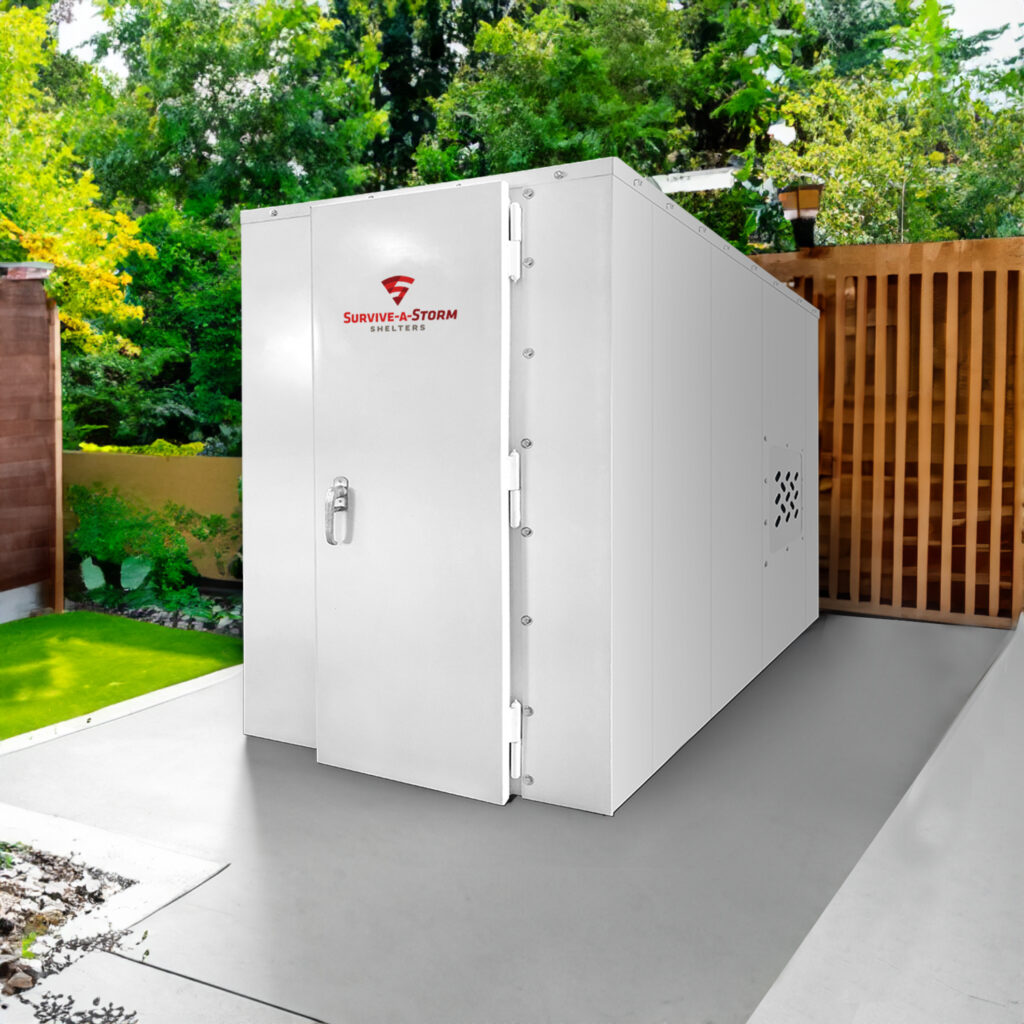
In-home shelters (garage, interior room, or under-bed units) offer the fastest access, especially at night or during rain-wrapped tornadoes.
Outdoor shelters can be effective but require you to leave the house. That’s a real risk for kids, elderly family members, or anyone with limited mobility.
Below-ground shelters provide excellent protection but may not be practical in areas with high water tables or poor drainage.
Real-world insight:
In Iowa and the Midwest, I’ve seen below-ground shelters flood after heavy spring rains—sometimes during the same storms that produced tornadoes. A shelter that fills with water is not usable.
Ask yourself: Can everyone in my household reach this shelter safely in under one minute?
2. Structural Rating and Testing Standards
Not all “tornado shelters” are built or tested the same.
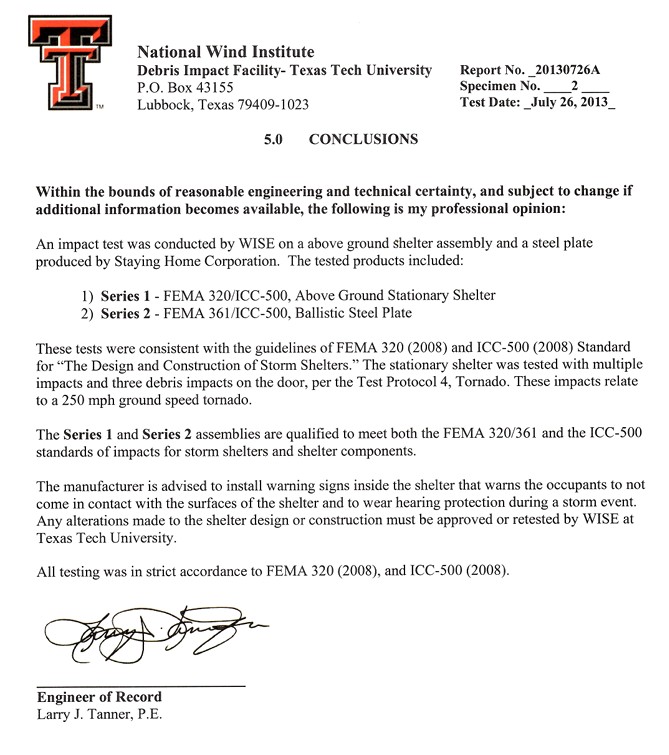
Look for shelters that meet recognized impact and wind standards, such as:
FEMA guidance (FEMA P-320 / P-361)
ICC-500 testing for debris impact and wind speeds
These standards simulate 15-pound debris traveling over 100 mph, which is what actually injures and kills people in tornadoes.
What I’ve seen in the field: Shelters without proper testing may look solid, but doors, hinges, or anchoring systems are often the weak points.
3. Door Design and Entry System
The door is the most critical component of any storm shelter.
Key things to evaluate:
Inward vs. outward swing (outward is usually safer if debris piles up)
Number of locking points
Ease of operation under stress
If you can’t open or close the door easily with one hand, that’s a problem.
Field observation: After major tornadoes, I’ve seen debris stacked chest-high against shelter doors. Door orientation matters more than most buyers realize.
4. Anchoring and Installation Quality
A shelter is only as strong as what it’s attached to.
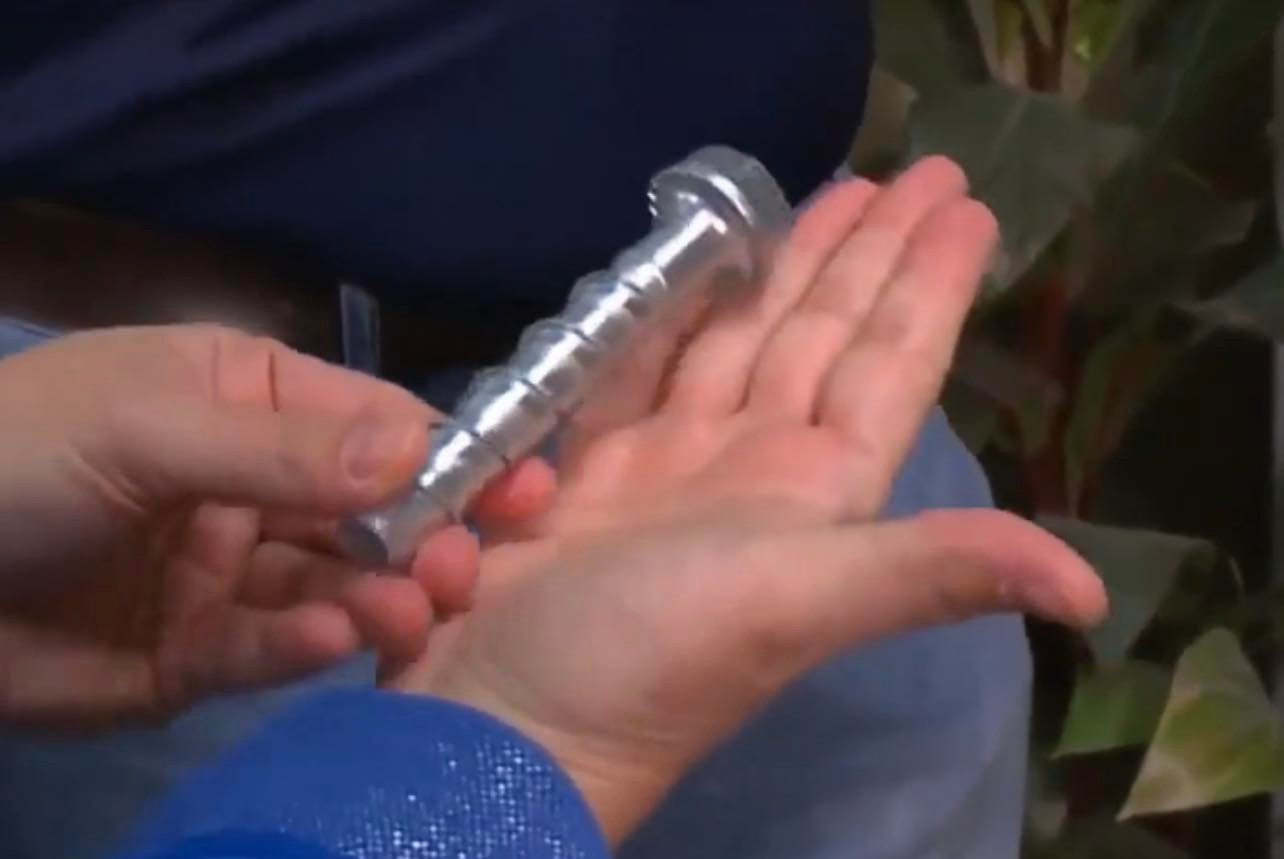
Garage or slab-mounted shelters must be anchored into reinforced concrete, not just a standard residential slab.
Outdoor units should have engineered footings—not gravel or shallow pads.
Important caution: A properly built shelter can still fail if installed incorrectly. Installation matters as much as manufacturing.
5. Household Needs and Mobility
This is where many people make the wrong choice.
Consider:
Children and pets
Elderly family members
Injuries, disabilities, or limited mobility
Nighttime access
Real example: I’ve worked with families who bought ladder-access shelters, then later realized a family member physically couldn’t use it during a drill. If someone in your home can’t realistically get inside during a warning, it’s not the right shelter.
6. Size and Occupancy
Bigger isn’t always better—but too small is dangerous.
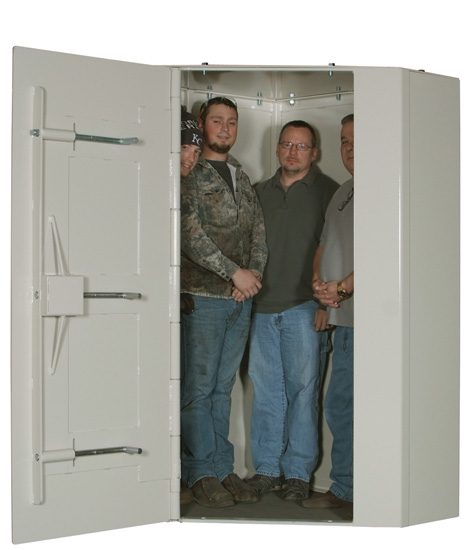
You need enough space for:
Everyone in your household
Pets
Sitting or bracing safely for several minutes
Crowded shelters increase panic and injury risk.
7. Ventilation and Interior Conditions
Shelters don’t need luxury features—but they do need:
Proper ventilation
Moisture control
Non-slip flooring or stable footing
Poor airflow can cause panic, especially for children.
8. Local Climate and Soil Conditions
Your location matters.
High water tables affect below-ground shelters
Freeze-thaw cycles affect anchoring systems
Soil type impacts footing design
Local expertise matters here. A shelter that works well in Oklahoma may not be ideal in parts of Iowa, Missouri, or Minnesota.
Common Mistakes or Misconceptions
“All storm shelters are basically the same.” They are not. Testing, anchoring, and door systems vary widely.
“Below-ground is always better.”
Not if flooding, access time, or mobility is an issue.
“I’ll just run to the shelter when I need it.”
In real storms, visibility is poor, adrenaline is high, and time is short.
“I don’t need to think about installation.”
Improper installation is one of the most common failure points I’ve seen.
Expert Tips Based on Real Experience
Do a practice run. Time how long it takes everyone to reach the shelter.
Test the door under pressure. Can you open it calmly and quickly?
Plan for the worst storm, not the average one.
Work with installers who understand local soil, code, and weather patterns.
Ask what happens if debris piles against the shelter. The answer matters.
After years in this industry, the shelters that perform best are the ones chosen for real-life use—not just specs on paper.
FAQ: Straight Answers to Common Questions
Do I need a shelter if I have a basement?
Basements help, but they don’t provide debris impact protection unless reinforced.
Are above-ground shelters actually safe?
Yes—if they are properly tested, anchored, and installed.
How long do people usually stay inside?
Typically 5–20 minutes, but it can be longer depending on storm movement.
Can one shelter protect multiple families?
Only if it’s sized, rated, and installed for that purpose.
Choosing a storm shelter isn’t about buying the strongest steel box—it’s about choosing a system that your entire household can reach, enter, and rely on under real tornado conditions. The best shelter is the one that works on the worst day, not the one that looks good on a brochure.
If you take the time to match the shelter to your home, your family, and your local risks, you dramatically increase your chances of walking away from the next tornado.