
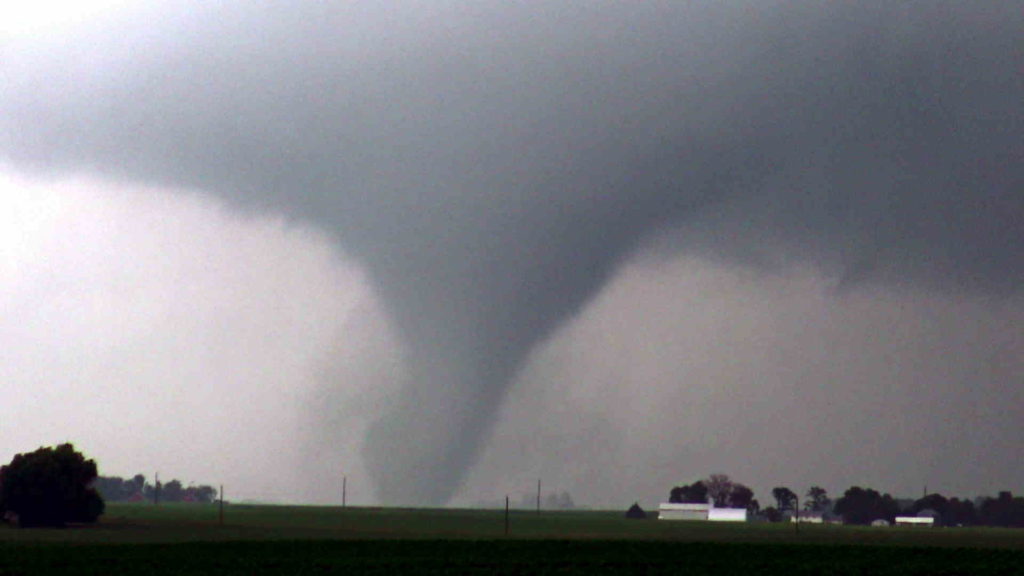
Tornado Safety Tips: Expert Guide for Tornado Alley
What are safety tips for tornadoes?
When a tornado warning is issued, get to the lowest level of a sturdy building, away from windows, and protect your head and neck immediately. Have a plan before storms arrive, including a safe room and multiple ways to receive warnings. If you’re outside or in a vehicle, seek sturdy shelter right away—do not try to outrun a tornado.
Why does this matter?
In Tornado Alley, storms can develop quickly and intensify in minutes. I’ve personally tracked supercells that went from harmless-looking clouds to producing a tornado in under 20 minutes. The difference between injury and survival often comes down to seconds—and whether someone already knows where to go.
Every year, injuries happen not because people didn’t hear the warning, but because they hesitated, chose the wrong shelter, or misunderstood the risk.
Step-by-Step Tornado Safety Guide
1. Before Storm Season: Build a Real Plan
Know your safe place:
- Basement (best option)
- Storm shelter or safe room
- Interior room on the lowest floor (bathroom, closet)
Avoid:
- Rooms with windows
- Large open spaces like living rooms or gyms
From experience: Many homes in Iowa and Kansas don’t have basements. In those cases, pre-identifying the smallest interior room can save critical time.
2. Set Up Reliable Warning Systems
Do not rely on just one method.
Use:
- NOAA weather radio (most reliable during power outages)
- Phone alerts (Wireless Emergency Alerts)
- Local TV or radar apps
Field note: I’ve seen storms knock out cell towers. A battery-powered weather radio kept working when nothing else did.
3. When a Tornado Watch is Issued
A watch means conditions are favorable.
What to do:
- Review your plan
- Charge devices
- Keep shoes and a flashlight nearby
- Stay close to home if possible
Why shoes matter: After tornadoes, debris like glass and nails is everywhere. I’ve walked damage paths—bare feet would be a serious hazard.
4. When a Tornado Warning is Issued
A warning means a tornado is happening or imminent.
Act immediately:
- Go to your safe place
- Bring pets if possible
- Cover your head (helmet, mattress, heavy blankets)
Do not: Open windows (this is a myth) Wait to “see” the tornado Stand outside to film it
5. If You’re in a Vehicle
This is one of the most dangerous situations.
Best options:
- Drive to a sturdy building if very close
- If not, abandon the vehicle and get into a low-lying ditch
Reality check: I’ve seen vehicles thrown hundreds of yards. Cars offer almost no protection in strong tornadoes.
6. If You’re in a Mobile Home
Mobile homes are extremely vulnerable.
Plan ahead:
- Identify a nearby permanent structure
- Leave early when a warning is issued
Important: Waiting until you see the tornado is often too late.
Common Mistakes or Misconceptions
“I can outrun a tornado in my car”
Sometimes—but often not. Tornado paths can shift unpredictably, and traffic or debris can trap you.
“Opening windows reduces damage”
This is outdated and dangerous advice. It wastes time and increases risk.
“Overpasses are safe shelters”
They are not. Wind speeds can accelerate under overpasses, turning them into wind tunnels.
“Sirens mean I’m safe indoors”
Outdoor sirens are designed to warn people outside. You may not hear them indoors, especially during storms.
Expert Tips Based on Real Experience
1. Wear a Helmet if You Have One
After surveying tornado damage, head injuries are one of the most common causes of serious harm. Bike helmets, football helmets—anything helps.
2. Keep a “Go Kit” in Your Safe Area
Include:
- Flashlight
- Batteries
- First aid kit
- Water
- Copies of important documents
I’ve responded to neighborhoods where people were trapped for hours after a storm. Having supplies matters.
3. Practice Your Plan
Do a quick drill:
- How long does it take to reach your safe spot?
- Can everyone get there quickly at night?
In real warnings, hesitation is the biggest enemy.
4. Know Your Home’s Weak Points
From damage surveys:
- Garage doors often fail first
- Roofs lift after pressure changes
- Windows break early
Stay as far from these as possible.
5. Nighttime Tornadoes Are More Dangerous
You can’t see them, and people are often asleep.
What helps:
- Loud weather radio alarms
- Phone alerts set to maximum volume
FAQ: Tornado Safety
What’s the safest place during a tornado?
A basement is safest. If you don’t have one, use a small interior room on the lowest floor with no windows.
How much warning time do you usually get?
Typically 10–15 minutes, sometimes less. Occasionally more, but never count on it.
Should I leave my house when a warning is issued?
No. Unless you’re in a mobile home or unsafe structure, shelter in place is usually safest.
Can tornadoes hit cities?
Yes. I’ve tracked tornadoes through urban areas. Buildings don’t “block” them.
Is it safe to watch from a distance?
No. Tornadoes can change direction quickly, and debris can travel far beyond the visible funnel.
What are safety tips for tornadoes?
When a tornado warning is issued, get to the lowest level of a sturdy building, away from windows, and protect your head and neck immediately. Have a plan before storms arrive, including a safe room and multiple ways to receive warnings. If you’re outside or in a vehicle, seek sturdy shelter right away—do not try to outrun a tornado.
Why does this matter?
In Tornado Alley, storms can develop quickly and intensify in minutes. I’ve personally tracked supercells that went from harmless-looking clouds to producing a tornado in under 20 minutes. The difference between injury and survival often comes down to seconds—and whether someone already knows where to go.
Every year, injuries happen not because people didn’t hear the warning, but because they hesitated, chose the wrong shelter, or misunderstood the risk.
Step-by-Step Tornado Safety Guide
1. Before Storm Season: Build a Real Plan
Know your safe place:
- Basement (best option)
- Storm shelter or safe room
- Interior room on the lowest floor (bathroom, closet)
Avoid:
- Rooms with windows
- Large open spaces like living rooms or gyms
From experience: Many homes in Iowa and Kansas don’t have basements. In those cases, pre-identifying the smallest interior room can save critical time.
2. Set Up Reliable Warning Systems
Do not rely on just one method.
Use:
- NOAA weather radio (most reliable during power outages)
- Phone alerts (Wireless Emergency Alerts)
- Local TV or radar apps
Field note: I’ve seen storms knock out cell towers. A battery-powered weather radio kept working when nothing else did.
3. When a Tornado Watch is Issued
A watch means conditions are favorable.
What to do:
- Review your plan
- Charge devices
- Keep shoes and a flashlight nearby
- Stay close to home if possible
Why shoes matter: After tornadoes, debris like glass and nails is everywhere. I’ve walked damage paths—bare feet would be a serious hazard.
4. When a Tornado Warning is Issued
A warning means a tornado is happening or imminent.
Act immediately:
- Go to your safe place
- Bring pets if possible
- Cover your head (helmet, mattress, heavy blankets)
Do not: Open windows (this is a myth) Wait to “see” the tornado Stand outside to film it
5. If You’re in a Vehicle
This is one of the most dangerous situations.
Best options:
- Drive to a sturdy building if very close
- If not, abandon the vehicle and get into a low-lying ditch
Reality check: I’ve seen vehicles thrown hundreds of yards. Cars offer almost no protection in strong tornadoes.
6. If You’re in a Mobile Home
Mobile homes are extremely vulnerable.
Plan ahead:
- Identify a nearby permanent structure
- Leave early when a warning is issued
Important: Waiting until you see the tornado is often too late.
Common Mistakes or Misconceptions
“I can outrun a tornado in my car”
Sometimes—but often not. Tornado paths can shift unpredictably, and traffic or debris can trap you.
“Opening windows reduces damage”
This is outdated and dangerous advice. It wastes time and increases risk.
“Overpasses are safe shelters”
They are not. Wind speeds can accelerate under overpasses, turning them into wind tunnels.
“Sirens mean I’m safe indoors”
Outdoor sirens are designed to warn people outside. You may not hear them indoors, especially during storms.
Expert Tips Based on Real Experience
1. Wear a Helmet if You Have One
After surveying tornado damage, head injuries are one of the most common causes of serious harm. Bike helmets, football helmets—anything helps.
2. Keep a “Go Kit” in Your Safe Area
Include:
- Flashlight
- Batteries
- First aid kit
- Water
- Copies of important documents
I’ve responded to neighborhoods where people were trapped for hours after a storm. Having supplies matters.
3. Practice Your Plan
Do a quick drill:
- How long does it take to reach your safe spot?
- Can everyone get there quickly at night?
In real warnings, hesitation is the biggest enemy.
4. Know Your Home’s Weak Points
From damage surveys:
- Garage doors often fail first
- Roofs lift after pressure changes
- Windows break early
Stay as far from these as possible.
5. Nighttime Tornadoes Are More Dangerous
You can’t see them, and people are often asleep.
What helps:
- Loud weather radio alarms
- Phone alerts set to maximum volume
FAQ: Tornado Safety
What’s the safest place during a tornado?
A basement is safest. If you don’t have one, use a small interior room on the lowest floor with no windows.
How much warning time do you usually get?
Typically 10–15 minutes, sometimes less. Occasionally more, but never count on it.
Should I leave my house when a warning is issued?
No. Unless you’re in a mobile home or unsafe structure, shelter in place is usually safest.
Can tornadoes hit cities?
Yes. I’ve tracked tornadoes through urban areas. Buildings don’t “block” them.
Is it safe to watch from a distance?
No. Tornadoes can change direction quickly, and debris can travel far beyond the visible funnel.