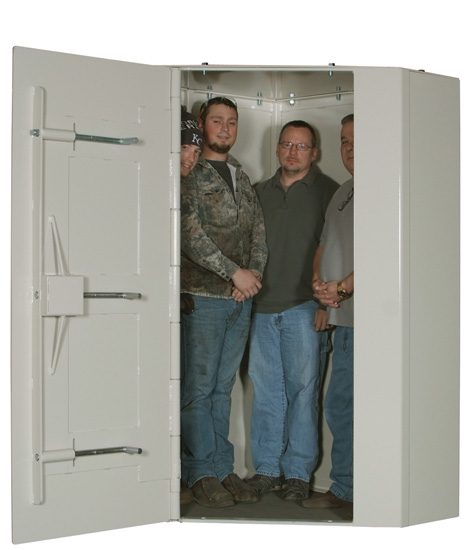
Affordable storm shelters are code-compliant, tested shelters that provide life-saving protection without the cost of a full custom build. For most homeowners, that means above-ground steel shelters, compact in-garage units, or modular shelters that balance price, performance, and fast installation.
I’ve been in the storm shelter industry for years, and the biggest misconception I see is that “affordable” means “unsafe.” That’s simply not true—when the shelter meets ICC-500 standards and is installed correctly.
Why does this matter?
Tornadoes don’t care about budgets. Every spring, I talk to families who assumed they’d “figure it out later,” only to face a close call that changes their perspective overnight. Affordable shelters make real protection accessible now, not after another warning siren or near miss.
In Iowa and across the Midwest, lead times and demand spike after major outbreaks. Choosing a practical, budget-conscious shelter early often means the difference between being protected this season or waiting another year.
Above-Ground Steel Shelters (The Most Economical Choice)
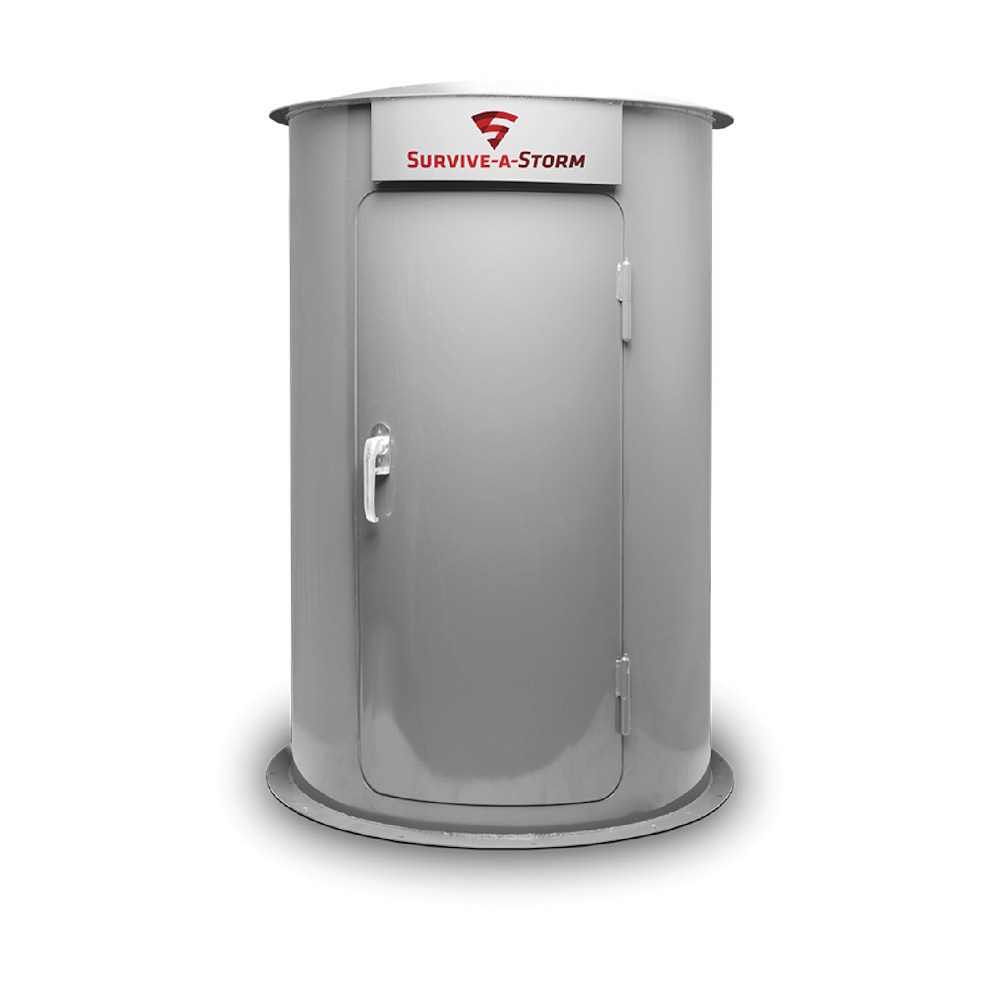
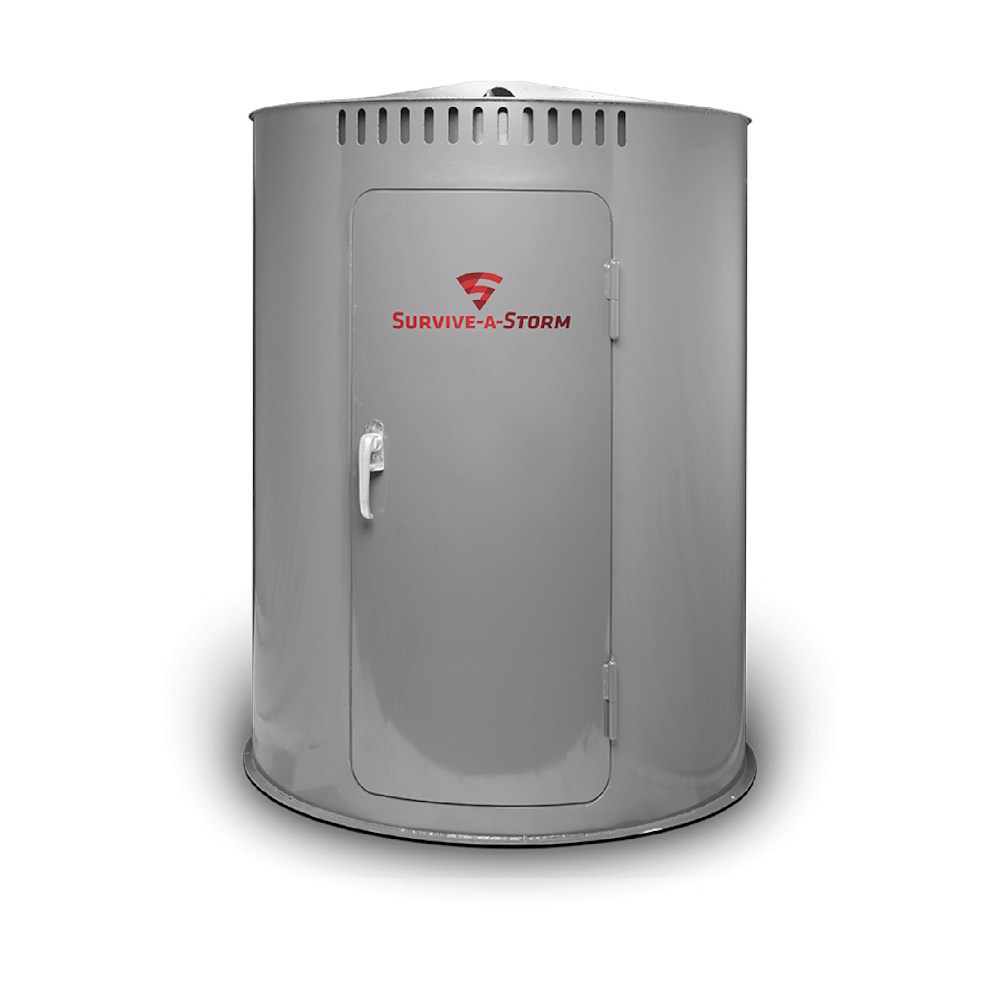
Above-ground steel shelters are the most economical storm shelter option we offer at Storm Shelters of Iowa. They remain affordable because they don’t require digging or excavation, which eliminates one of the largest cost drivers in shelter installation. Installation is also faster, keeping labor costs lower, and the shelters are built using standardized, proven designs that reduce manufacturing expenses without compromising strength or safety. When people search for an inexpensive tornado shelter—or even use terms like “cheap tornado shelter”—this is typically what they mean: a shelter with a lower total cost that still provides reliable, tested protection.
Affordable Storm Shelters We Sell (With Real Pricing)
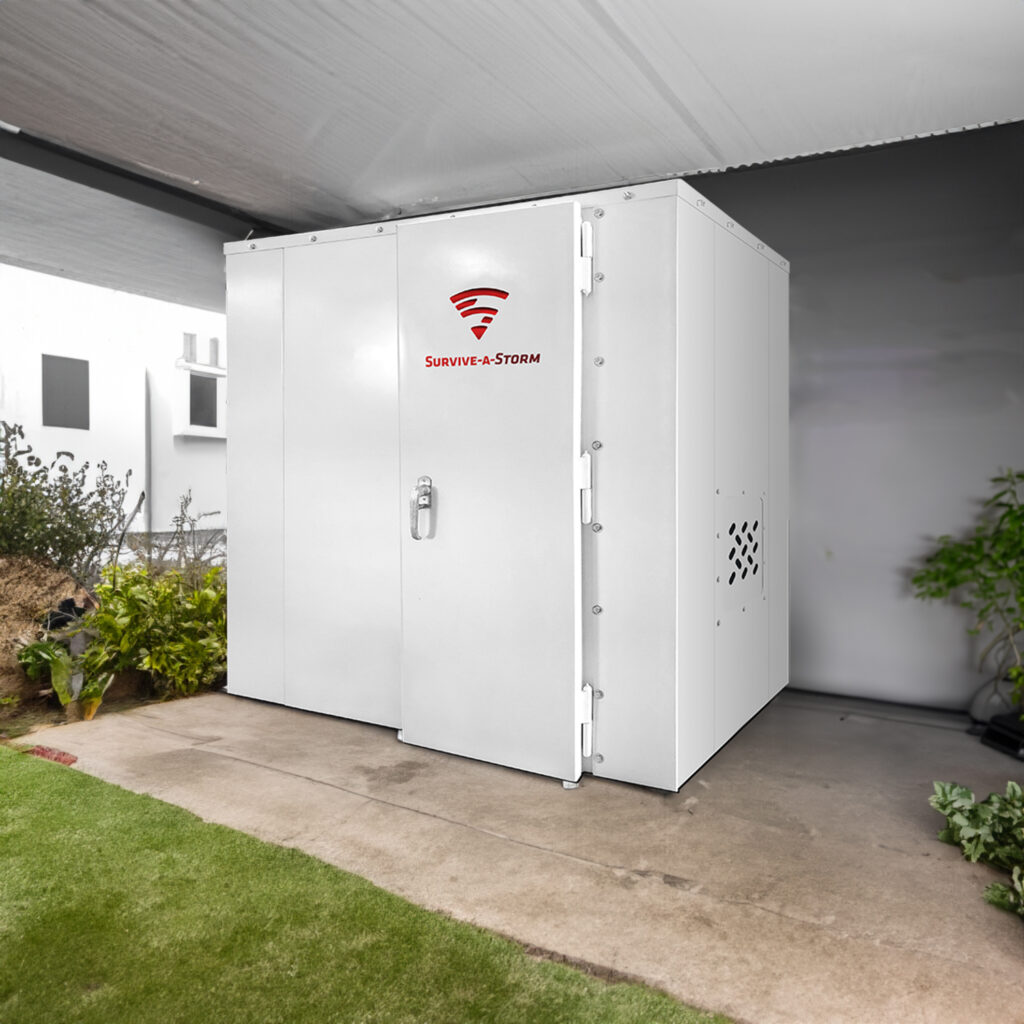
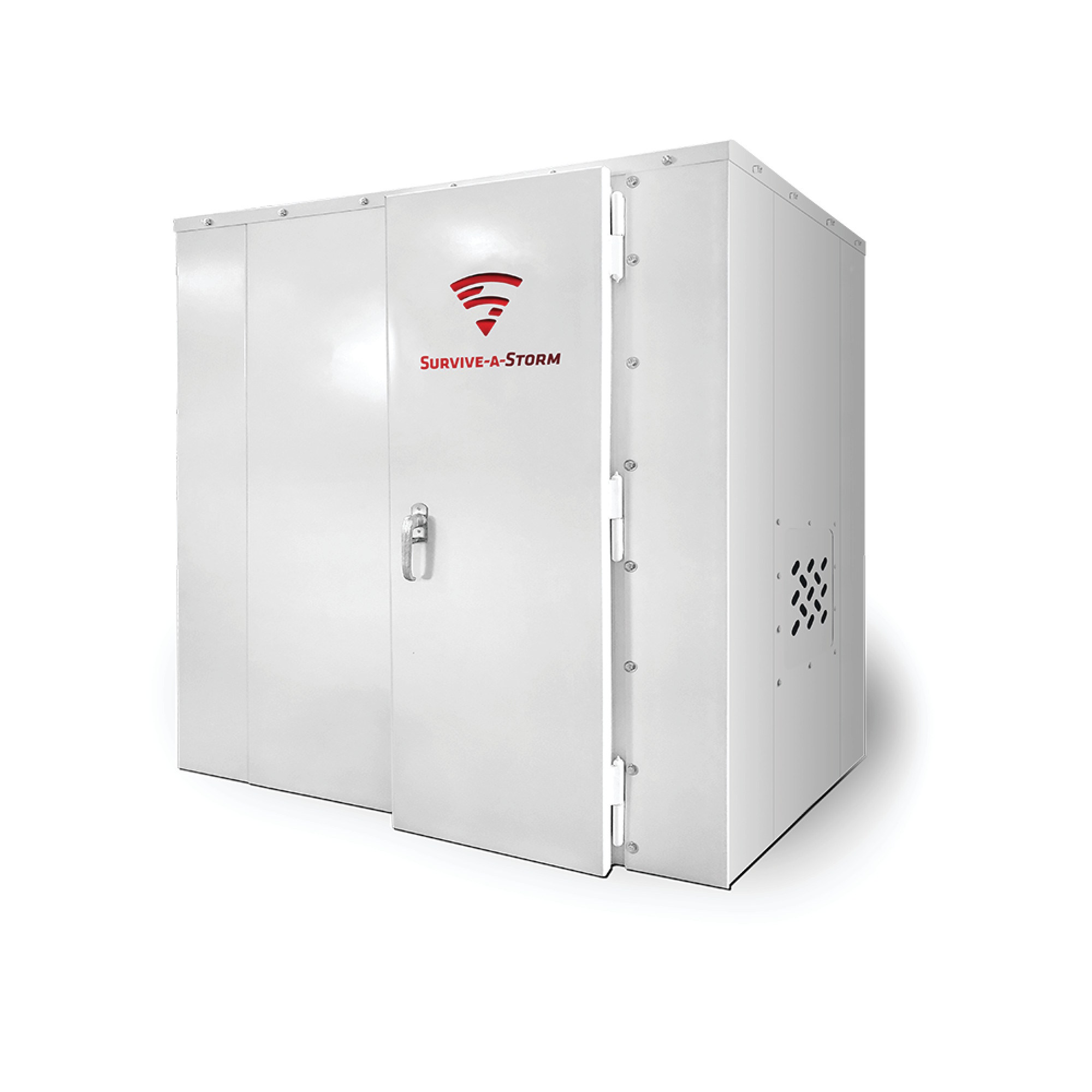
This is a traditional square safe room built from heavier steel.
Specifications
Constructed from 10-gauge steel
Size: 48″ W x 48″ L x 84″ H
Capacity: up to 5 people
This unit offers straight walls and more headroom, which some customers prefer over cylindrical designs.
Delivery, tax, and installation not included in base price.
How to Save Money: Self-Installation and Shipping
One of the biggest cost-saving opportunities people overlook is self-installation.
If you have:
A properly poured concrete slab
Basic mechanical skills
The ability to follow anchor specifications
You can install many of these shelters yourself.
What you pay instead
Shipping to your home, typically under $500
Your own installation time
For some homeowners, this turns a shelter into a true inexpensive tornado shelter without compromising safety—as long as installation instructions are followed exactly.
Important caution: Improper anchoring can compromise any shelter. Self-installation is only recommended for those comfortable following structural guidelines.
Financing Options for Storm Shelters: How Homeowners Actually Pay for Them
Many homeowners don’t realize that storm shelters can often be financed through banks and local lenders, even when they aren’t part of a larger home renovation. In practice, most shelters are financed the same way as other safety-related home improvements.
In my experience working with customers across Iowa, the most common option is a personal loan or home improvement loan through a local bank or credit union. Because storm shelters are considered a permanent safety upgrade, many lenders are comfortable financing them, especially when the total cost is relatively modest compared to larger remodeling projects.
Some homeowners also use home equity loans or HELOCs, particularly when the shelter is permanently installed and anchored to the home’s concrete slab. These options often come with lower interest rates, though they require existing equity and additional paperwork.
I’ve also seen banks approve financing because storm shelters reduce risk to occupants, which lenders view similarly to roofing, electrical, or structural upgrades. While approval terms vary by lender, many customers are surprised at how straightforward the process is once they ask.
It’s important to understand that financing availability depends on the bank, not the shelter manufacturer or installer. I always recommend talking directly with a local lender, explaining that the shelter is a permanent, code-compliant safety installation, and providing a written quote if requested.
Important note: Financing policies vary by institution, and not all lenders offer the same terms. Always confirm interest rates, repayment terms, and whether installation is required for loan approval.
Common Mistakes or Misconceptions
“Cheap tornado shelters aren’t safe.”
Price does not determine safety—testing and installation do.
“Concrete is always better than steel.”
Steel shelters don’t crack, absorb moisture, or deteriorate the way concrete can over time.
“Installation doesn’t matter.”
I’ve seen excellent shelters fail because anchors were rushed or improperly set.
“I’ll just hide in my garage or closet.”
Garages and closets provide no debris impact protection, which is where most injuries occur.
Expert Tips Based on Real Experience
Look for EF-5 or ICC-500 ratings, not marketing language
Buy based on capacity you actually need, not what sounds impressive
Ask detailed questions about anchoring, not just steel thickness
Consider self-installation only if you’re confident in doing it correctly
Buy before peak storm season—availability disappears fast after outbreaks
Frequently Asked Questions
Are affordable storm shelters really safe in strong tornadoes?
Yes, when they are EF-5 rated and anchored correctly.
Is the TwisterPod considered a cheap tornado shelter?
It’s affordable, not cheap—there’s a difference. The protection level is the same as higher-priced shelters.
Can I install one myself?
Yes, many customers do. Shipping is usually under $500, but installation must follow specifications exactly.
Do these shelters leak or rust?
No. Powder-coated steel prevents corrosion, and steel doesn’t absorb water like concrete.
What’s the most economical storm shelter you sell?
The standard TwisterPod is the lowest-priced fully EF-5 rated option.
Affordable storm shelters don’t mean settling for less—they mean choosing proven protection without unnecessary cost. In my experience, most homeowners can install a reliable, EF-5 rated shelter for far less than the cost of home repairs after a tornado.
If you live in tornado country, safety doesn’t have to be expensive—but it does have to be done right.