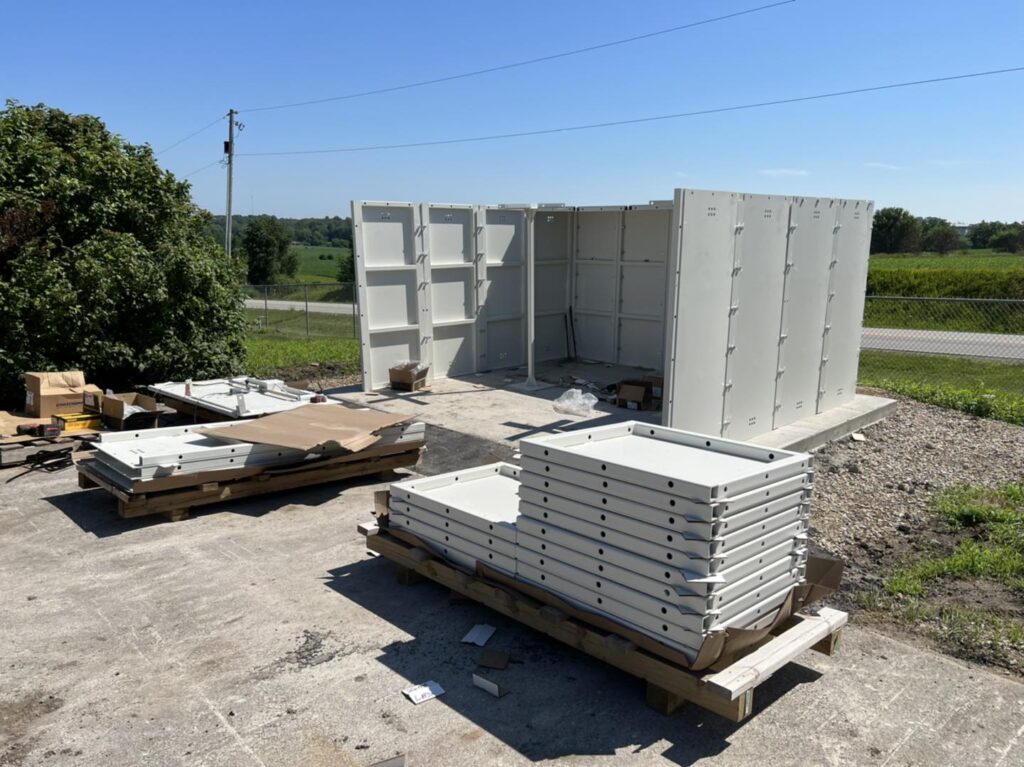
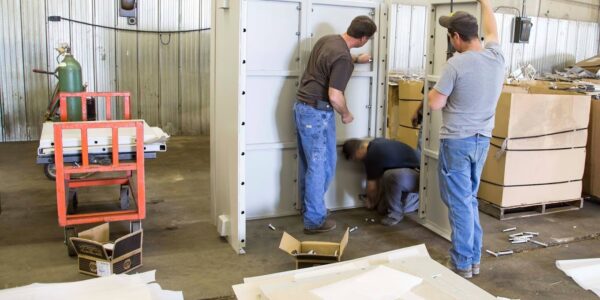
A storm shelter installation is usually straightforward, but the details matter. Most above-ground shelters are installed in a few hours by bolting the unit to an existing concrete slab, while underground shelters require excavation, concrete work, and several hours. The biggest factors that affect the experience are where the shelter is installed, the condition of the concrete, and whether the unit is installed professionally or by the homeowner.
What Is the Cost of a Storm Shelter Installation?
Installation cost depends primarily on labor time and travel distance.
At Storm Shelters of Iowa, installation pricing is based on:
Mileage from Des Moines, Iowa (where our installer is based)
Number of hours required to complete the install
Shelter type (above-ground vs underground)
Site conditions (slab thickness, access, excavation needs)
If you live farther from Des Moines or just across the Iowa border, installation costs are higher due to travel time. This is common across the industry and not unique to Iowa.
Ways to reduce installation costs:
DIY installation: Many above-ground shelters can be shipped directly to the customer (typically around $500) and installed following manufacturer guidelines.
Hire a local contractor: A qualified local general contractor who is comfortable with concrete anchoring can often install an above-ground shelter professionally at a lower cost than long-distance travel.
Underground shelter installations cost significantly more—often 3 to 4 times more than above-ground installs—because excavation, soil removal, concrete work, and site restoration are required.
Step-by-Step: How Storm Shelter Installation Actually Works
1. Site Evaluation (Before Anything Is Installed)
Every installation starts with choosing the right location:
Garage slabs must typically be at least 4 inches thick
Outdoor slabs must also be 4 inches thick, reinforced, and level
Underground shelters require soil assessment and clearance from utilities
In Iowa, we often see older garages with thinner concrete. That doesn’t mean installation isn’t possible—it just means a new pad may be required.
2. Delivery and Placement
Above-ground shelters arrive fully assembled or in large sections. Placement matters:
Close to the home for fast access
Clear of vehicles, storage, or obstructions
Oriented correctly for door swing and emergency exit
This step is where experience matters. We’ve repositioned shelters on-site more times than I can count to make sure doors open freely and anchors land in solid concrete.
3. Anchoring the Shelter
This is the most critical step.
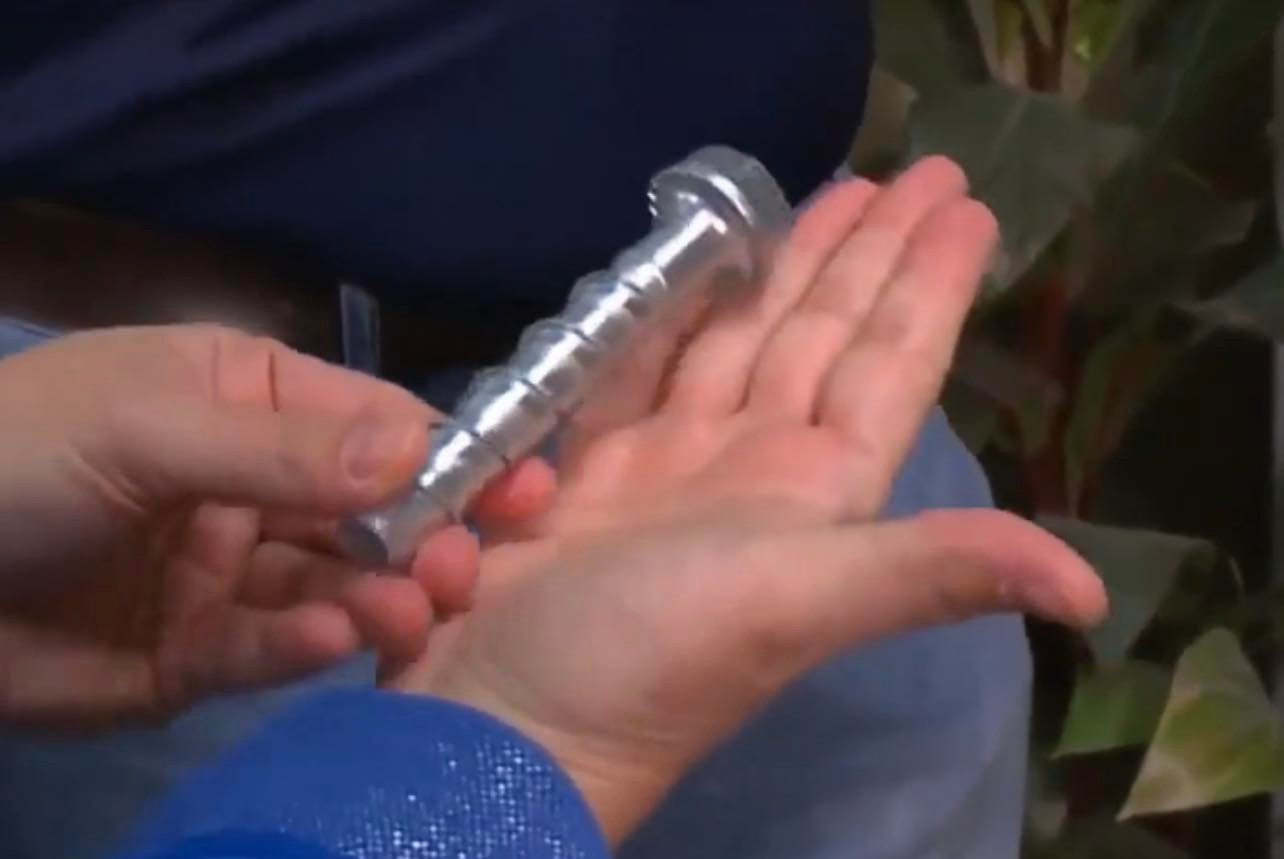
Above-ground shelters are anchored using:
Manufacturer-approved wedge or epoxy anchors
Precise drilling depth and spacing
Torque-specific tightening
Improper anchoring is the number-one failure point we see in poorly installed shelters. If the shelter isn’t anchored correctly, it cannot perform as designed—no matter how thick the steel is.
4. Final Inspection and Walk-Through
A professional installation should include:
Anchor verification
Door operation check
Ventilation inspection
Instructions on use and maintenance
Homeowners should be shown how the door locks, how to clear debris if needed, and how many people the shelter is rated for.
Underground Storm Shelter Installation: What’s Different
Underground shelters are not just “more work”—they’re a completely different type of project.
They require:
Utility locates
Excavation equipment
Proper drainage planning
Concrete backfill or collars
Soil compaction and surface restoration
In Iowa clay soils, poor drainage can cause long-term problems if installation isn’t done correctly. This is why underground installations cost substantially more and take longer to complete.
Common Mistakes or Misconceptions
“All concrete slabs are good enough.”
They’re not. Thickness, reinforcement, and condition matter.
“Any contractor can install a storm shelter.”
Storm shelters are life-safety equipment. Anchoring errors and incorrect placement are common when installers lack experience with shelter-specific requirements.
“Underground shelters are always safer.”
Not necessarily. Poor drainage, slow access, and installation errors can offset perceived advantages.
“DIY means unsafe.”
DIY installations can be safe when done correctly and according to manufacturer specs—but only if the homeowner is comfortable with precision work and understands anchoring requirements.
Expert Tips Based on Real Experience
Fast access matters more than shelter type. We’ve seen families choose underground shelters they couldn’t reach in time.
Ask how the shelter is anchored—not just what it’s made of.
Plan for debris. Even above-ground shelters need doors that open inward or are protected from blockage.
Don’t guess on concrete thickness. Measure or core drill if necessary.
If something feels rushed, stop the install. A proper installation should never feel hurried.
Storm shelters are one of the few home improvements where mistakes can’t be fixed later during an emergency.
Frequently Asked Questions
How long does installation take?
Most above-ground shelters are installed in a few hours. Underground shelters often take one to two days or more.
Can I install a shelter myself?
Yes, many above-ground units are designed for DIY installation if you follow the manufacturer’s instructions exactly.
Why does location affect installation cost so much?
Travel time, fuel, and labor hours add up quickly. Installers based in central Iowa must factor that into pricing.
Do permits matter?
Sometimes. Local building codes vary, especially for underground shelters. Always check before excavation.
Storm shelter installation isn’t complicated—but it is precise. The safety of the shelter depends less on marketing claims and more on correct placement, anchoring, and access. Whether you hire a professional, use a local contractor, or install it yourself, understanding the process upfront helps ensure the shelter will perform when it’s needed most.
Experience matters. Details matter. And when it comes to storm shelters, installation is just as important as the shelter itself.